The Story Behind the Nevada10 Moniker
In soccer culture, the Number 10 shirt is revered. It evokes images of iconic creators—Pelé, Maradona, Messi, and Neymar—players who navigate tight spaces with effortless imagination. When videos of 3-year-old Nevada dribbling with sole touches and rapid directional shifts appeared on TikTok and Instagram, the hashtag #Nevada10 was born.
To casual internet viewers, the moniker was an affectionate tribute to a toddler with extraordinary footwork. But from a sports science perspective, comparing a 3-year-old to a professional playmaker requires thoughtful context.
What is Happening Neurologically in a 3-Year-Old Athlete?
Between ages two and four, a child’s brain undergoes explosive synaptogenesis in the cerebellum and motor cortex—the regions responsible for balance, timing, and motor sequencing.
When a toddler like Nevada engages in constant, joyful play with a small soccer ball, their vestibular system (inner-ear balance) and proprioceptors (muscle sensors) fire millions of electrical impulses. The result is an unusual ability to manipulate an object with their feet while maintaining equilibrium.
The Difference Between Ball Mastery and Match Intelligence
It is vital to distinguish between technical ball handling and genuine tactical soccer awareness. At age three, child psychology establishes that toddlers are naturally egocentric in their spatial processing: they see the ball as an extension of their own body and do not naturally comprehend passing lanes or team spacing.
Calling a 3-year-old a “Number 10 playmaker” is entertaining internet shorthand, but authentic soccer intelligence—scanning the pitch, reading defensive cues, and timing a through-ball—develops much later, typically between ages 8 and 12.
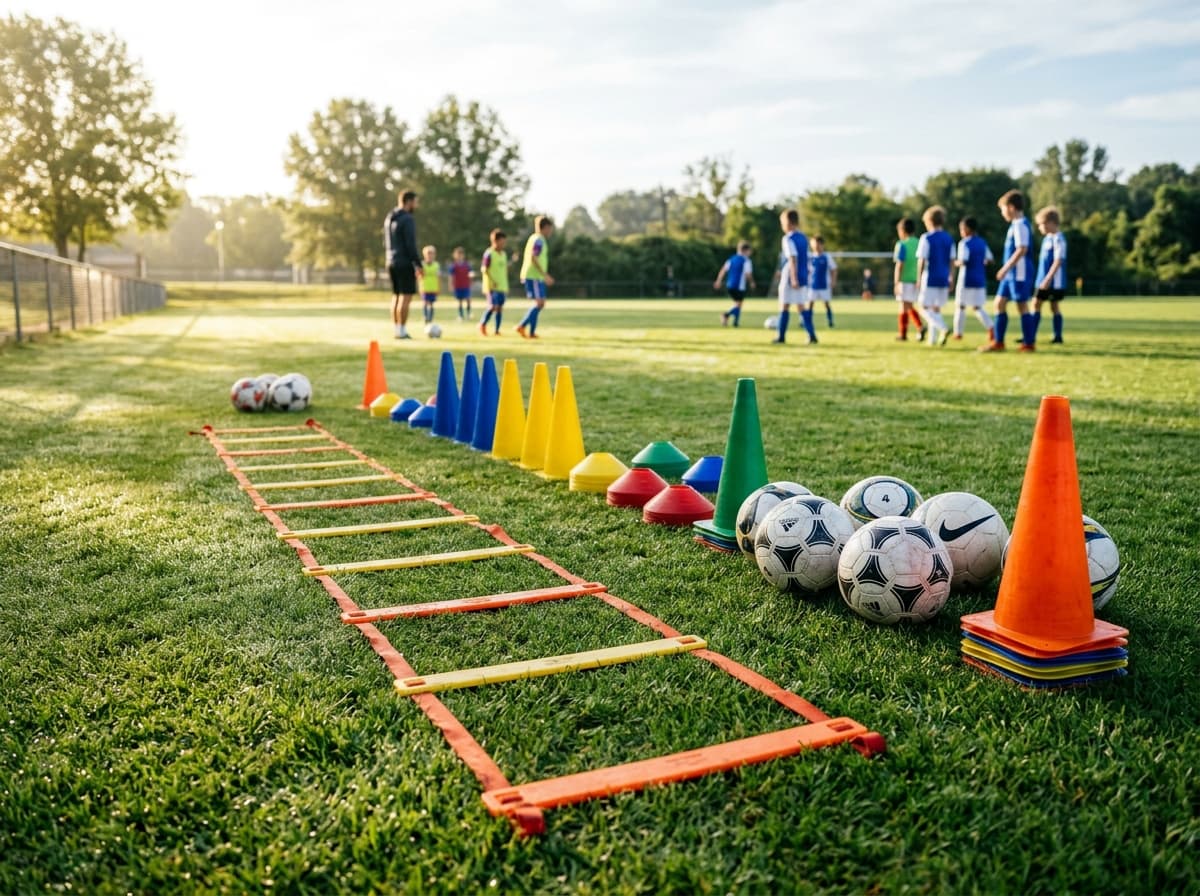
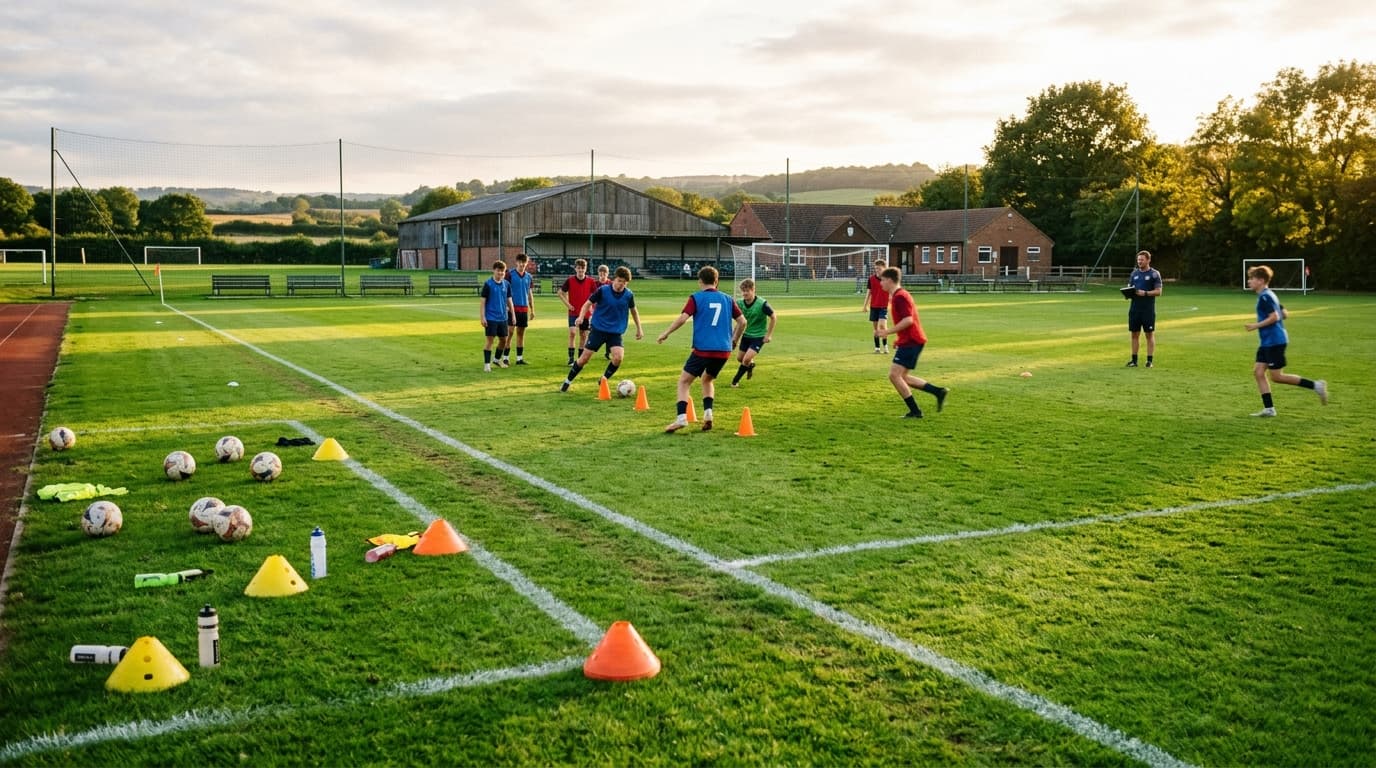
How Grassroots Coaches Should Respond
For coaches and parents inspired by Nevada10 clips, the golden rule is to keep practice playful and child-led. Let children experiment with different balls, play tag, climb playground structures, and enjoy the magical feeling of running freely on open grass.